Modern Geopolitics Explained
Why geography still decides who wins and who loses
A 10-chapter video course on how geography shapes global power. From Russia's hunger for warm-water ports to China's Great Wall of Sand, understand why borders, mountains, rivers, and oceans still dictate the fate of nations. Inspired by the ideas in Prisoners of Geography by Tim Marshall.
Based on: Prisoners of Geography by Tim Marshall
What you'll learn
- How mountains, rivers, and oceans shape the foreign policy of major powers
- Why Russia has historically sought warm-water ports and buffer states
- How the geography of China drives its Belt and Road ambitions
- Why the Middle East's borders were drawn to fail — and what that means today
- How Africa's colonial-era borders continue to fuel conflict
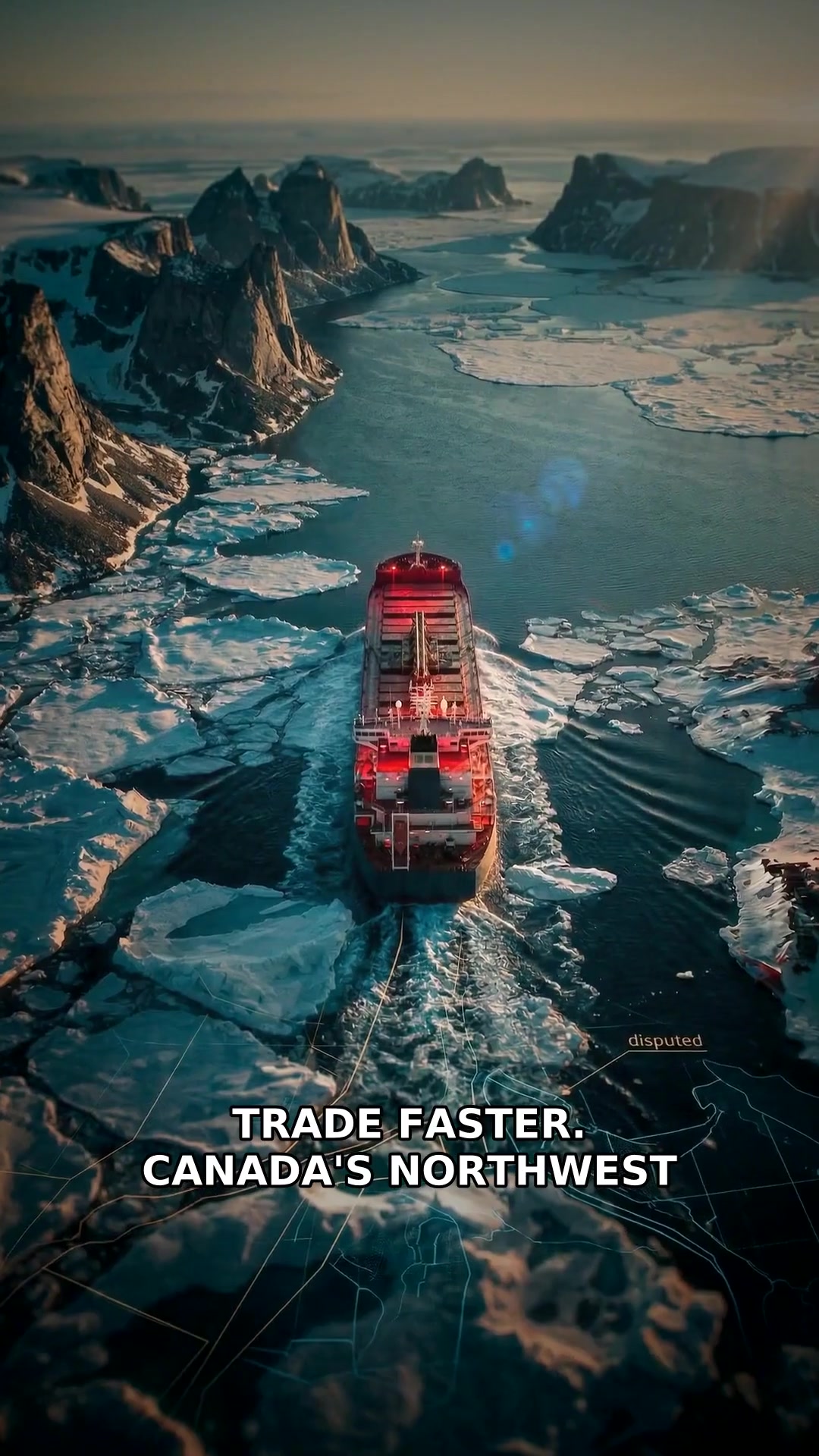
- Why the Arctic is becoming the next geopolitical flashpoint
- How Latin America's terrain creates both opportunity and instability
- The geographic advantages that made America a superpower
Chapters
 1:12
1:12
Chapter 1: Russia — Why Geography Makes Russia Insecure
Russia is the world's largest country, but its geography is a curse. No natural barriers in the west, frozen ports in th
 1:09
1:09
Chapter 2: China — The Great Wall and the Nine-Dash Line
China is surrounded by barriers: the Himalayas, the Gobi Desert, the Pacific. For millennia these kept it isolated and u
 1:08
1:08
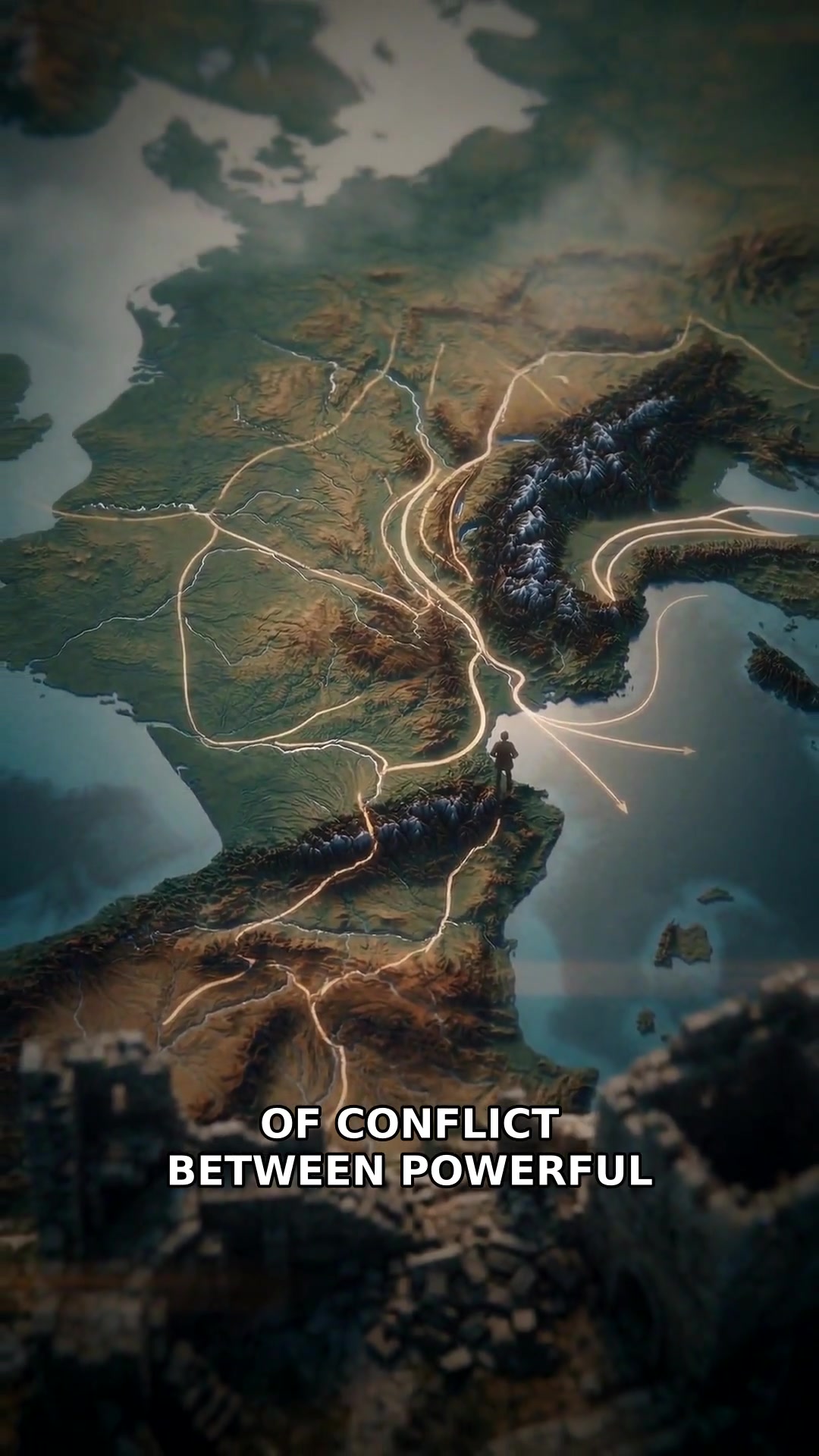
Chapter 3: The United States — The Luckiest Geography on Earth
Two oceans, navigable rivers, weak neighbors, and the world's best farmland. America's geography is almost unfairly good
 1:20
1:20
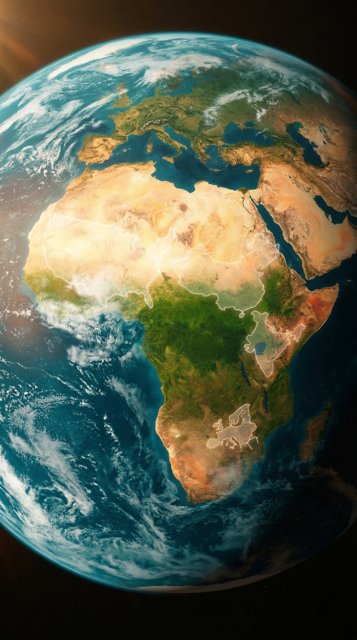
Chapter 4: Western Europe — Rivers, Plains, and the EU Experiment
Europe's geography fractured it into dozens of nations — rivers, mountains, and peninsulas creating natural borders. Aft
 1:12
1:12
Chapter 5: Africa — A Continent Trapped by Its Own Map
Africa has the resources to be rich but the geography to stay poor. No navigable rivers reaching the interior, a coastli
 1:20
1:20
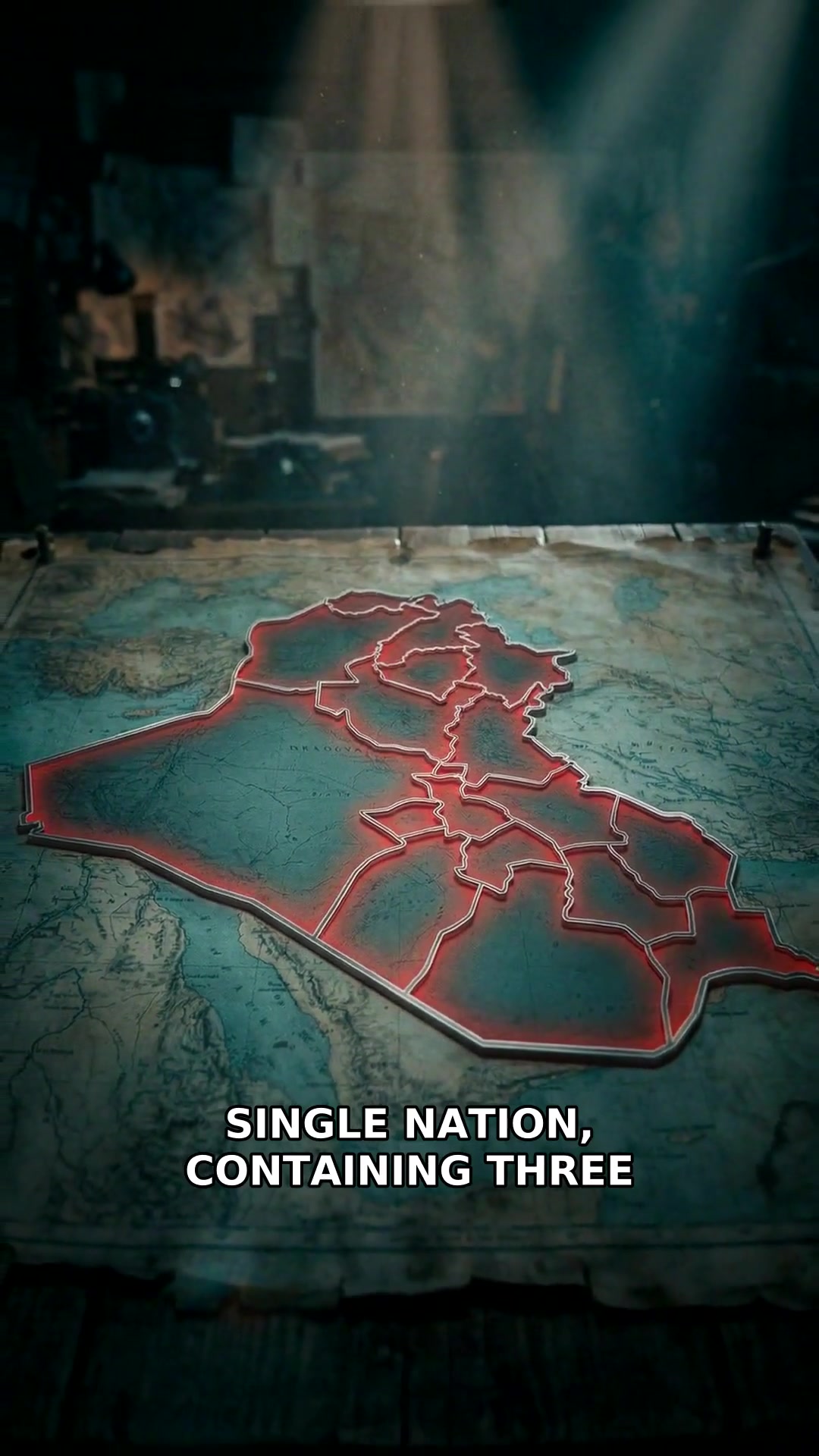
Chapter 6: The Middle East — Blood, Oil, and Borders That Don't Work
The Middle East's borders were drawn by outsiders after World War I, cutting through tribal, ethnic, and religious lines
 1:23
1:23
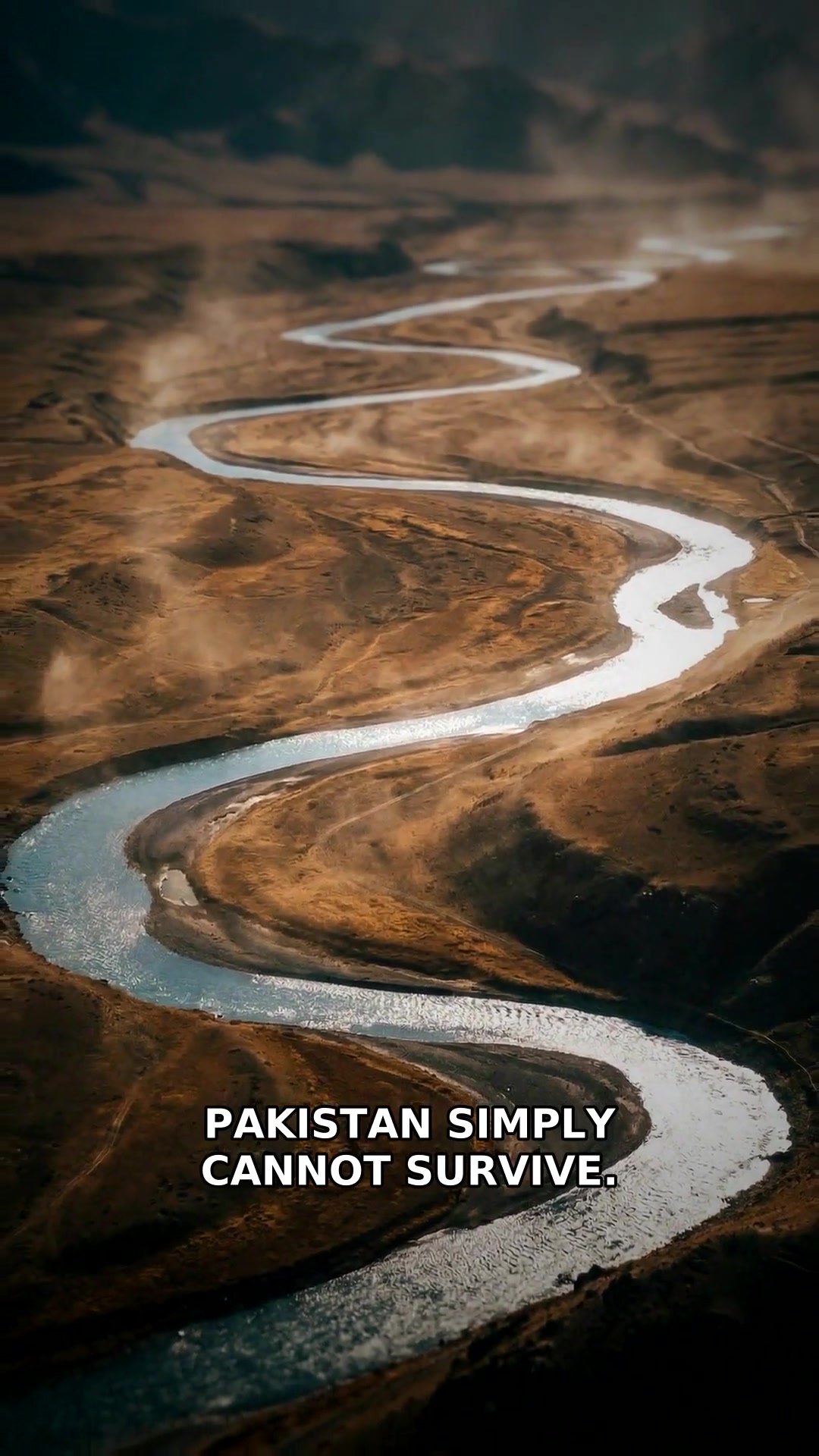
Chapter 7: India and Pakistan — Divided by Mountains, United by Rivers
The Himalayas wall off the subcontinent. The Indus River feeds Pakistan. Kashmir sits at the junction. Two nuclear power
 1:20
1:20
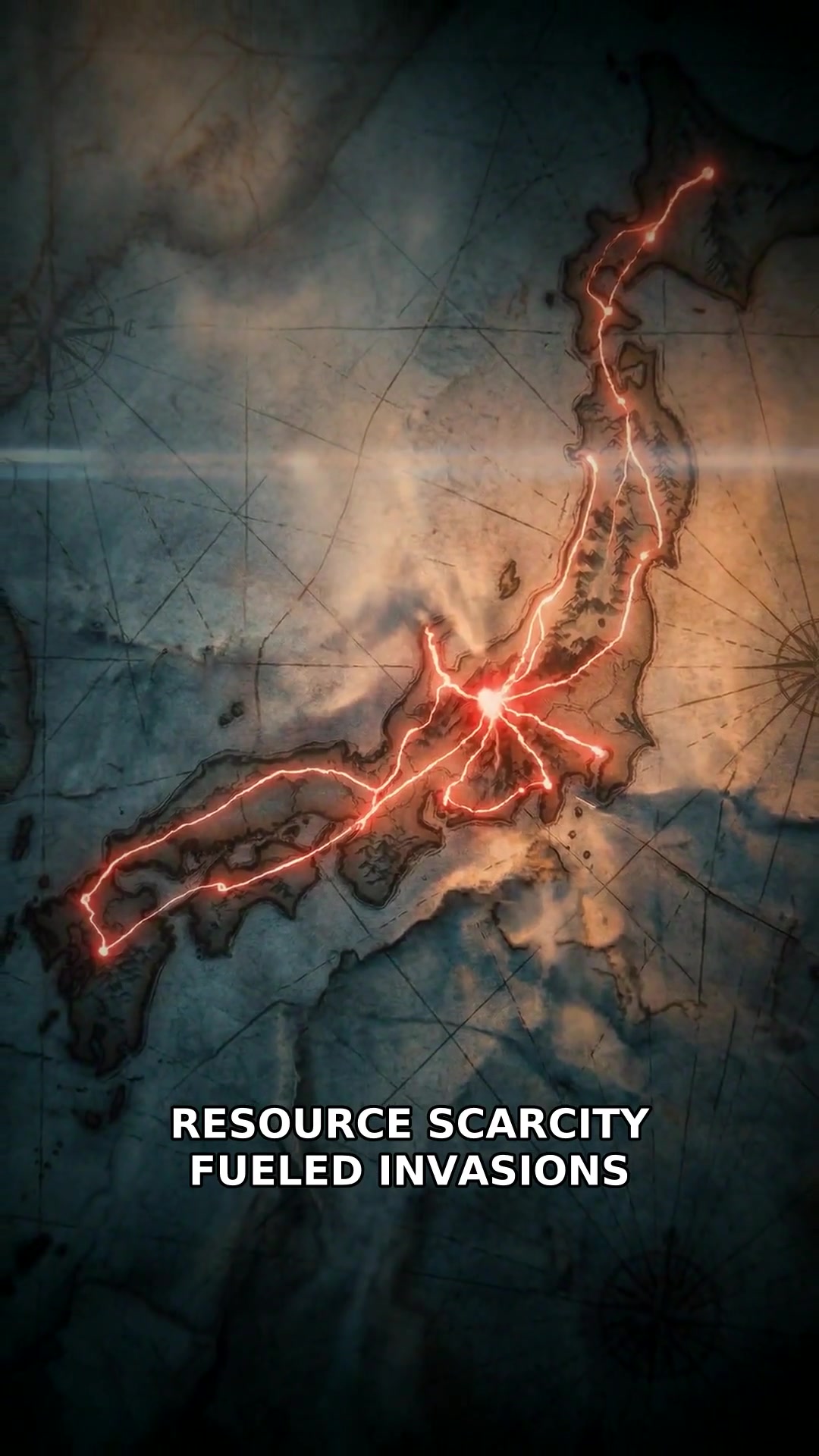
Chapter 8: Korea and Japan — Islands, Peninsulas, and Old Rivalries
Japan is an island nation with no resources. Korea is a peninsula trapped between giants. Geography made Japan an invade
 1:06
1:06
Chapter 9: Latin America — So Far from God, So Close to the United States
The Andes wall off the west. The Amazon jungle isolates the interior. And the United States looms to the north. Latin Am
 1:10
1:10
Chapter 10: The Arctic — The New Frontier of Great Power Competition
The Arctic is melting. New shipping routes are opening. Oil and gas reserves are becoming accessible. Russia, the US, Ca
Explore our comics
Read free comic series on mythology, history, and more — new chapters every week.
Browse Comics