Chapter 6: The Iran Deal — Hope, Betrayal, and Collapse
In 2015 the JCPOA nuclear deal was signed — Iran froze its nuclear program in exchange for sanctions relief. Israel opposed it furiously. In 2018 Trump killed it. The collapse set the stage for everything that followed.
Explore more content
Browse our collection of courses and comics on topics that matter.
Browse ComicsTranscript
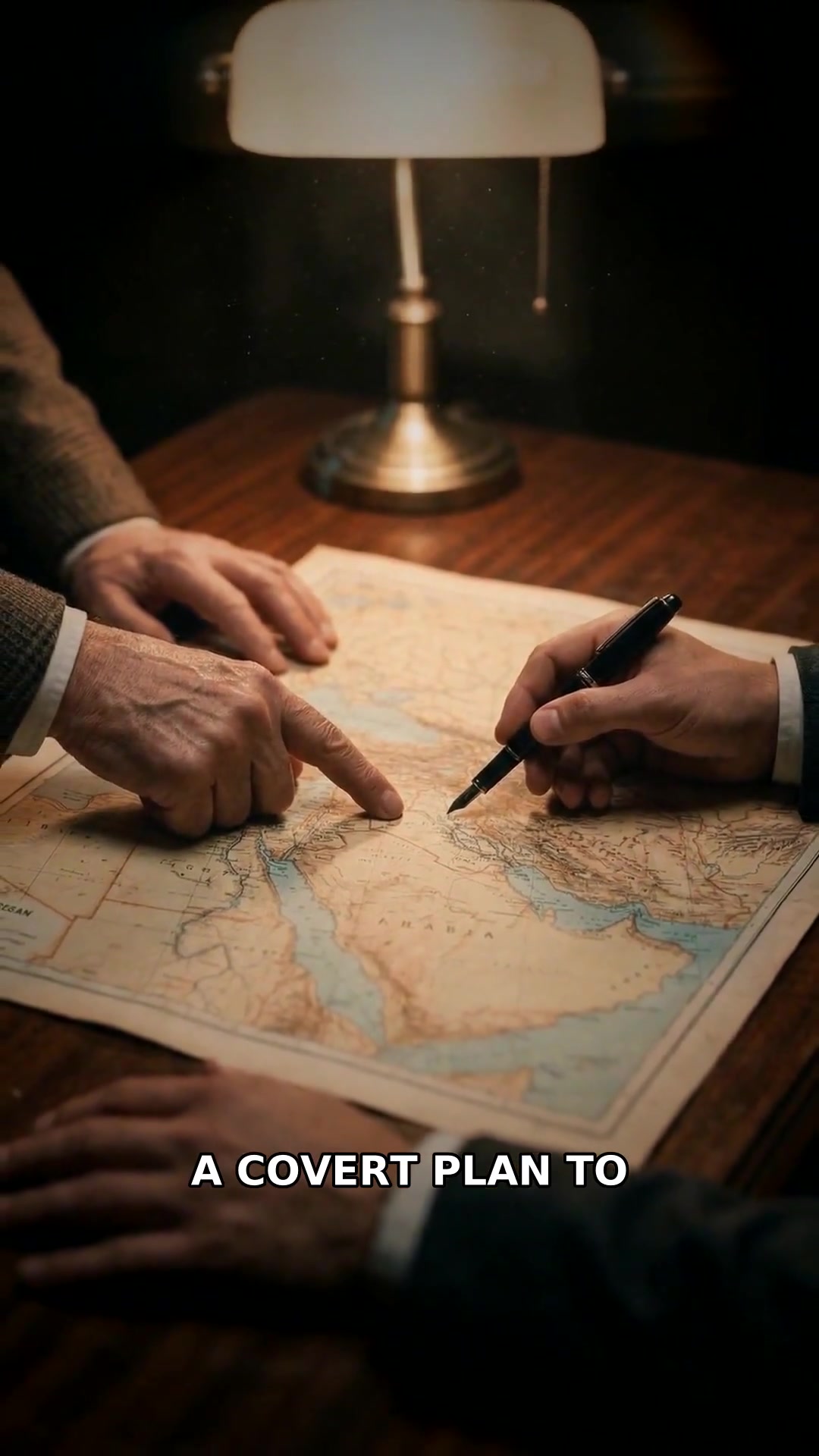
In July 2015, after two years of intense negotiations, the JCPOA was signed in Vienna. Six world powers and Iran agreed to limits on enrichment, allowing inspections in return for sanctions relief. President Obama hailed it as a triumph of diplomacy.
But Israel's Prime Minister Netanyahu was furious. Addressing the US Congress in 2015, he called the deal a 'historic mistake,' warning Iran would cheat and build a bomb. His speech deeply split Washington.
Technically, the deal worked. IAEA inspectors confirmed Iran’s compliance; centrifuges were dismantled, enriched uranium shipped out. Yet, Iran's regional behavior—supporting groups in Syria, Yemen, and Hezbollah—remained unchanged.
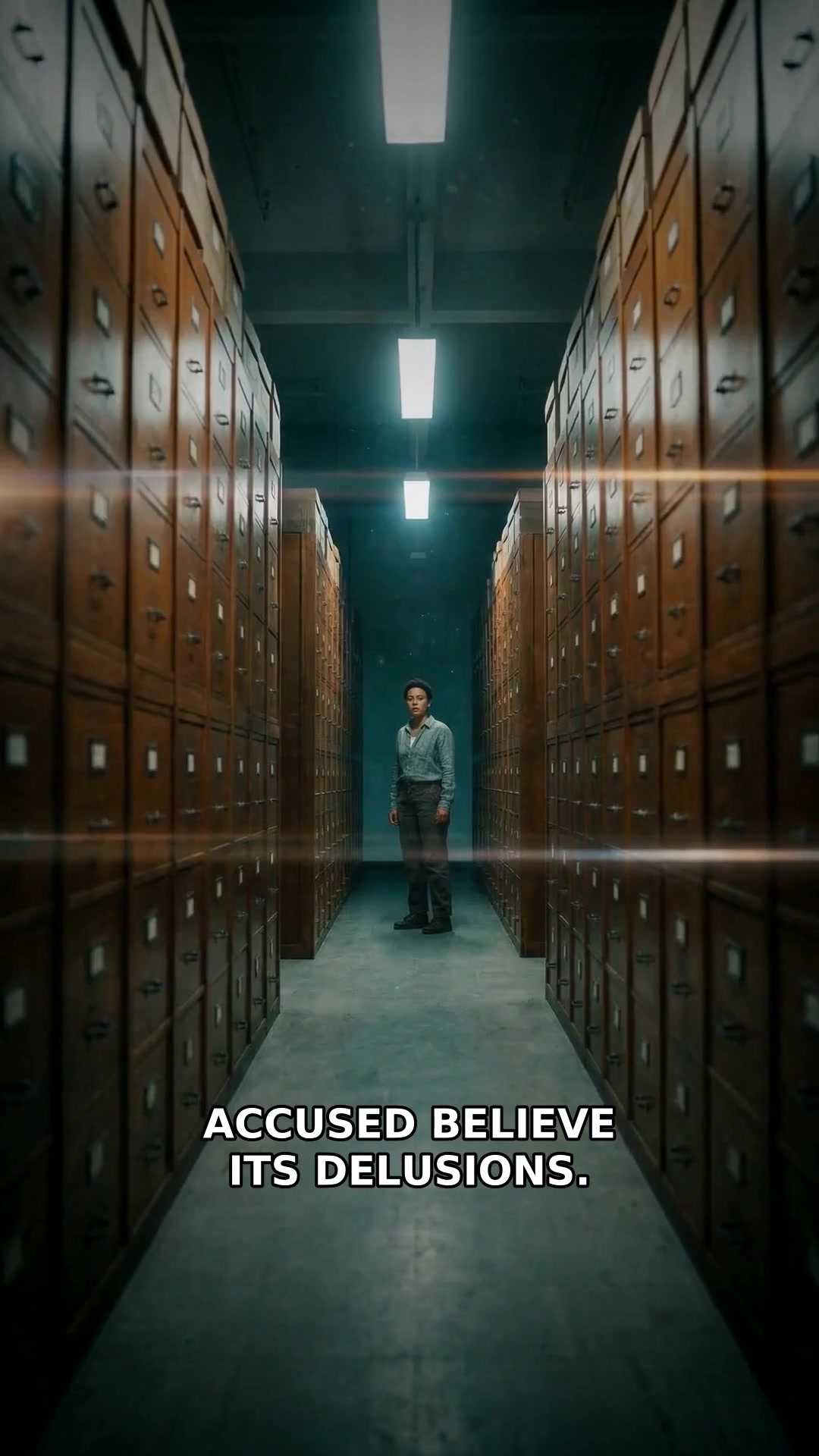
In 2017, Donald Trump took office, vowing to kill the deal. Netanyahu relentlessly lobbied, even providing intelligence from the 'Iran atomic archive' to bolster Trump’s resolve.
By May 2018, Trump withdrew America from the JCPOA, reimposing 'maximum pressure' sanctions. Iran called it a betrayal, European allies were stunned, and the hard-won deal began to unravel.
Iran responded by gradually increasing enrichment from 3.67% to 60%, approaching weapons-grade 90%. Centrifuges spun again, and the diplomatic guardrails that once constrained the program were gone.
The aftermath was grim: no deal, escalating enrichment, the assassination of General Soleimani in 2020, and tit-for-tat strikes. The collapse of diplomacy paved a dangerous road to direct confrontation.